
Table of Contents

From Scribbles to Sketches: How Drawing Fundamentals Unlock Every Child’s Creative Potential
- admin
- June 15, 2026
Latest Posts
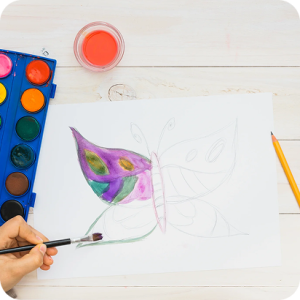


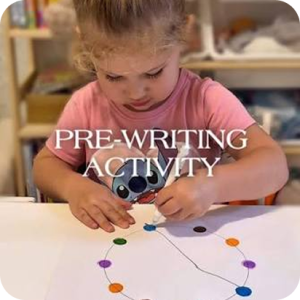
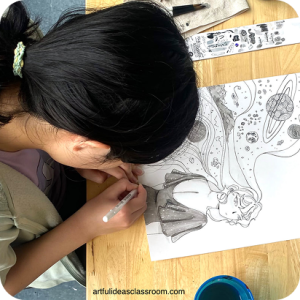
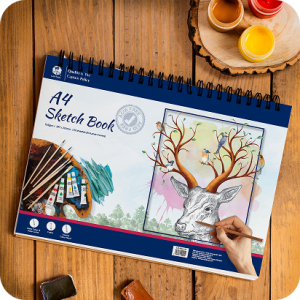
Ask any child what they want to draw and the answers come instantly a dog, a dragon, a rainbow, their favorite animal. That enthusiasm is pure gold. But for many kids, the gap between what they imagine and what appears on the page can be deeply frustrating. One shaky circle, one wobbly line, and the pencil goes down.
The solution isn’t talent. It’s fundamentals. When children learn the basic building blocks of drawing simple shapes, clean lines, spatial awareness the gap between imagination and the page disappears. Suddenly, anything feels possible. That’s the philosophy at the heart of Ellie Christine Patton’s Workbook for Young Artists, Volume 01: A Kids Art Book with Simple Strategies for Growth that transforms beginners into confident, joyful creators.
What Are Drawing Fundamentals and Why Do Kids Need Them?
Drawing Fundamentals Made Easy for Kids isn’t just a catchy phrase it’s a genuine teaching philosophy. Fundamentals are the underlying principles that all visual art is built on. For children, learning these principles early creates a strong creative foundation that supports not just drawing, but storytelling, design thinking, and even academic subjects like geometry and writing.
The core drawing fundamentals every young artist benefits from include:
- Basic Shapes: Every object in the world from a cat to a car to a castle can be broken down into circles, squares, triangles, and rectangles. Teaching children to see in shapes is the single most transformative drawing skill.
- Line Confidence: Shaky, uncertain lines are natural for beginners. With practice and guidance, children learn to draw intentionally with control, direction, and purpose.
- Proportion & Scale: Understanding why a sun looks bigger than a bird, or why a tree is taller than a house, teaches children spatial reasoning that supports both art and mathematics.
- Observation Skills: Good drawing starts with really looking. Art activities that encourage children to observe shapes, shadows, and details sharpen attention to detail in every area of learning.
- Building Complexity Step by Step: The best Engaging Drawing Instructions for Beginners never rush. They begin with the simplest elements and layer complexity gradually so children experience growth without frustration.
Research from Harvard’s Project Zero has shown that studio arts education the kind that teaches children how to think through making builds habits of mind including observation, reflection, and the willingness to stretch beyond one’s comfort zone. These are exactly the habits that a well-structured drawing workbook cultivates, one page at a time.
Why Characters, Animals & Everyday Objects Are the Best Teachers
When it comes to teaching drawing fundamentals to children, subject matter matters enormously. Abstract exercises draw ten circles, trace this line quickly lose a child’s attention. But ask a child to draw a puppy, a friendly robot, or a shiny red apple, and you have their full focus.
This is exactly why the Art Workbook with Fun Characters, Animals & Objects model works so powerfully for young learners. Each subject acts as a motivating goal a reason to engage with the fundamentals rather than simply endure them. Here’s how different subject categories support specific skills:
Drawing Subject | Fundamental Skills Practised | Why Kids Love It |
Animals (cats, dogs, birds) | Basic shapes, curves, proportion | Familiar, loveable, and endlessly fun to draw |
Characters & Faces | Symmetry, expression, line control | Children see themselves and people they love |
Everyday Objects (fruit, vehicles) | Geometric forms, detail layering | Simple enough to succeed, complex enough to grow |
Nature Scenes (trees, sun, clouds) | Composition, scale, spatial thinking | Connects art to the world children already explore |
Inside the Workbook for Young Artists, Volume 01
Ellie Christine Patton’s Workbook for Young Artists, Volume 01 puts every one of these principles into practice. This is a Kids Art Book with Simple Strategies for Growth that was designed not just to fill an afternoon, but to genuinely move a child forward as an artist session by session, page by page.
Here’s what makes this workbook the go-to resource for parents and educators:
- Step-by-Step Clarity: Every drawing in the book follows a structured, step-by-step format that embodies the best Engaging Drawing Instructions for Beginners. Each stage is clearly illustrated so children know exactly what to do next no guesswork, no frustration.
- Fun Subjects That Motivate: The workbook is packed with the kinds of characters, animals, and objects that children genuinely want to draw. From cuddly creatures to familiar everyday items, every page is an invitation, not an obligation.
- Drawing Fundamentals Made Easy for Kids: Rather than overwhelming children with complex theory, the book teaches key principles shape, line, proportion through the act of drawing itself. Children learn by doing, not by reading instructions they won’t remember.
- Built-In Growth Trajectory: The workbook’s structure naturally advances a child’s skill. Early pages build foundational confidence; later pages challenge that confidence in new ways. This is a Kids Art Book with Simple Strategies for Growth that children can return to again and again as their abilities develop.
- Suitable for a Wide Age Range: While perfect for toddlers and early primary children, the workbook’s clear layout and approachable subjects make it valuable for children up to age 8 who are just beginning their drawing journey.
- No Art Background Required: Parents don’t need to know how to draw to use this book. The Engaging Drawing Instructions for Beginners are written and designed for parent–child use making it a wonderful shared creative activity.
Why This Book Is the Smartest Art Investment You’ll Make for Your Child
In a market flooded with children’s art books, it’s easy to feel overwhelmed. Many look appealing on the shelf but fall short in practice too complex for young beginners, too thin on genuine instruction, or simply not engaging enough to hold a child’s attention past the first sitting. Here is why Ellie Christine Patton’s Workbook for Young Artists stands in a category of its own:
1. It Teaches the Right Things, in the Right Order
Many children’s drawing books skip straight to complex subjects without building the underlying skills. Ellie’s approach is different. By embedding Drawing Fundamentals Made Easy for Kids into every activity starting with shapes, building to details the book ensures children are never set up to fail. Every page teaches something real.
2. It Keeps Children Coming Back
The Art Workbook with Fun Characters, Animals & Objects approach solves the biggest challenge of children’s educati
Engaging Drawing Instructions for Beginners |
onal books: keeping kids engaged beyond the first few pages. Because every subject is something children actually want to draw, the workbook becomes a daily request rather than a forgotten shelf item. Parents consistently report that their children ask for “the drawing book” by name.
3. It Builds Transferable Creative Confidence
The confidence a child builds completing a drawing doesn’t stay on the page. It travels into the classroom, into problem-solving, into the way they approach new challenges. A child who has learned that “I can break anything into steps and figure it out” is a child who is ready for almost anything.
4. It Is Genuinely Beginner-Proof
Not all Engaging Drawing Instructions for Beginners are truly beginner-friendly. Some assume too much. Ellie’s workbook assumes nothing only that a child has a pencil and a desire to create. The result is an entry point so welcoming that even the most art-anxious child finds themselves drawing with pride within the first session.
5. It Represents Exceptional Value
A single art class for children can cost $20–50 per session. The Workbook for Young Artists delivers structured, expert-designed drawing instruction at a fraction of that cost available any time, at home, at the child’s own pace. As a Kids Art Book with Simple Strategies for Growth, it is also built to be used repeatedly, making it one of the highest-value creative education tools available for young children.
🎨 Ready to Turn Scribbles Into Sketches?
The Workbook for Young Artists, Volume 01 is available now on Amazon Canada. Give your child the fundamentals, the fun subjects, and the step-by-step guidance they need to fall in love with drawing one page at a time.
Frequently Asked Questions
Yes absolutely and by design. The Workbook for Young Artists was built around Engaging Drawing Instructions for Beginners who are starting completely from scratch. The very first steps involve the most basic shapes imaginable, and each new step builds only slightly on what came before. No prior experience, no art classes, and no talent is required only a pencil and a willing child.
The Art Workbook with Fun Characters, Animals & Objects covers a delightful range of child-friendly subjects. Children will draw animals they recognize and love, everyday objects from around the home, simple nature elements, and charming characters that spark the imagination. Every subject was chosen specifically because it keeps children motivated and because it teaches genuine drawing fundamentals through the process of completing it.
Drawing Fundamentals Made Easy for Kids is not about lectures or theory it is about doing. Each drawing activity in the workbook teaches children to see complex subjects as combinations of simple shapes, build those shapes step by step, and refine them into a finished drawing. By the time a child completes an animal or object, they have practiced line control, proportion, and spatial reasoning without even realizing it. The learning is embedded in the activity itself.
Absolutely. The Kids Art Book with Simple Strategies for Growth format makes it ideal for both home and educational settings. Early childhood educators and homeschool parents love the workbook because each activity is self-contained, clearly explained, and requires no special materials or teacher preparation. It can be used as a standalone art lesson, a creative warm-up activity, or a reward for completing other work. Multiple children can work through their own copies simultaneously with ease.
Free online tutorials certainly have their place, but they come with significant drawbacks for young children: screen distraction, inconsistent quality, no coherent progression, and a passive viewing experience that rarely translates into hands-on skill development. The Workbook for Young Artists offers a curated, screen-free, progressive programme of Engaging Drawing Instructions for Beginners that builds on itself systematically. Children don’t just watch they do, they complete, and they grow. That tactile, paper-based experience produces confidence and skill that screen tutorials simply cannot replicate.